Introduction
In today’s digital economy, IT trends businesses should watch are constantly evolving. From cloud computing to emerging artificial intelligence advancements, technology isn’t just supporting operations—it’s reshaping the way organizations operate, compete, and innovate. Whether you’re a startup founder, IT leader, or business strategist, understanding which trends are driving change is crucial for sustainable growth.
This comprehensive guide covers the most impactful IT trends that businesses can’t afford to ignore in 2026 and beyond.
Why IT Trends Matter for Business Growth
In a world where digital disruption strikes every industry, staying ahead of IT trends businesses should watch isn’t optional—it’s strategic. These trends drive efficiency, enhance customer experiences, increase security, and unlock new revenue streams.
By recognizing and adopting the right technologies early, companies can:
- Boost operational performance
- Improve product and service delivery
- Navigate market disruptions
- Protect critical data
- Empower employees with smarter tools
Top IT Trends Businesses Should Watch
Artificial Intelligence (AI) and Generative AI
AI continues to top the list of IT trends businesses should watch—not just as a buzzword, but as a transformative business force.
AI-Powered Automation
Companies are automating repetitive tasks using machine learning, natural language processing, and robotic process automation (RPA). This increases productivity while reducing human error.

Generative AI for Content and Decision-Making
Generative AI systems like large language models are changing how businesses generate content, design products, and even create code. From automated writing tools to predictive planning, generative AI is reshaping workflows.
Impact: Enhanced creativity, faster content production, superior data insights.
Cloud-Native and Hybrid Cloud Strategies
Adopting the cloud has shifted from optional to essential. But the real innovation lies in how organizations leverage cloud environments.
Multi-Cloud and Hybrid Cloud Deployments
Businesses are blending public and private clouds to maximize performance, reliability, and cost-effectiveness.
Serverless Architecture
Serverless computing helps companies run applications without managing underlying infrastructure, simplifying deployment and scaling.
Impact: Lower operational costs, improved scalability, and better resource management.
Cybersecurity and Zero Trust
As digital transformation accelerates, so do cyber threats. Cybersecurity remains one of the most critical IT trends businesses should watch.
Zero Trust Security Models
Traditional perimeter-based security is no longer enough. Zero trust verifies every user and device attempting to access resources, significantly reducing breach risk.
AI-Driven Threat Detection
Artificial intelligence is now detecting cyber threats in real time—spotting anomalies before they turn into full-scale attacks.
Impact: Stronger defenses, reduced risk of breaches, and greater trust among customers and partners.
Edge Computing
Edge computing brings computing power closer to where data is generated—like IoT devices and remote sensors. This reduces latency and speeds up processing.
Real-Time Data Processing
For industries like healthcare, manufacturing, and autonomous vehicles, real-time decision-making is mission-critical.
IoT Integration
Edge computing supports massive Internet of Things (IoT) deployments by handling local processing without overloading central servers.
Impact: Faster insights, lower network traffic, and improved performance for connected devices.
5G and Advanced Connectivity
The rollout of 5G networks is more than faster internet. It’s about enabling high-density connectivity for millions of devices.
Ultra-Low Latency Communications
Businesses can support applications with real-time requirements such as AR/VR training, telemedicine, and remote machinery control.
Expanded Bandwidth for IoT
With 5G, the number of connected devices enterprises can support grows dramatically without sacrificing performance.
Impact: Smoother digital experiences, broader IoT adoption, and higher reliability.
Extended Reality (AR/VR) in Business
Augmented Reality (AR) and Virtual Reality (VR) are expanding beyond gaming into business environments.
Immersive Training and Simulation
Organizations use AR/VR to train teams safely and effectively—especially in fields like healthcare, construction, and logistics.
Customer Engagement Experiences
Retail, real estate, and tourism sectors are adopting AR/VR to create immersive customer journeys.
Impact: Engaging experiences, increased training effectiveness, and enhanced brand perception.
Blockchain Beyond Cryptocurrency
Blockchain technology continues to evolve as a business tool—not just a finance innovation.
Secure Supply Chains
Blockchain provides transparency at every stage of a supply chain, reducing fraud and ensuring product authenticity.
Smart Contracts
Automated contracts execute when conditions are met, simplifying complex agreements and reducing legal overhead.
Impact: Efficient workflows, secure transactions, and trust in digital systems.
Quantum Computing
While still emerging, quantum computing promises to solve problems far beyond the abilities of traditional computers—especially in optimization, chemistry, and logistics.
Future-Proof Problem Solving
Businesses in finance, pharmaceuticals, and logistics are exploring quantum algorithms to accelerate research and decision-making.
Impact: Potential breakthroughs in computation, planning, and innovation.
Sustainable IT and Green Technologies
Sustainability is now a business priority—and IT trends businesses should watch include technologies that reduce energy usage and environmental impact.
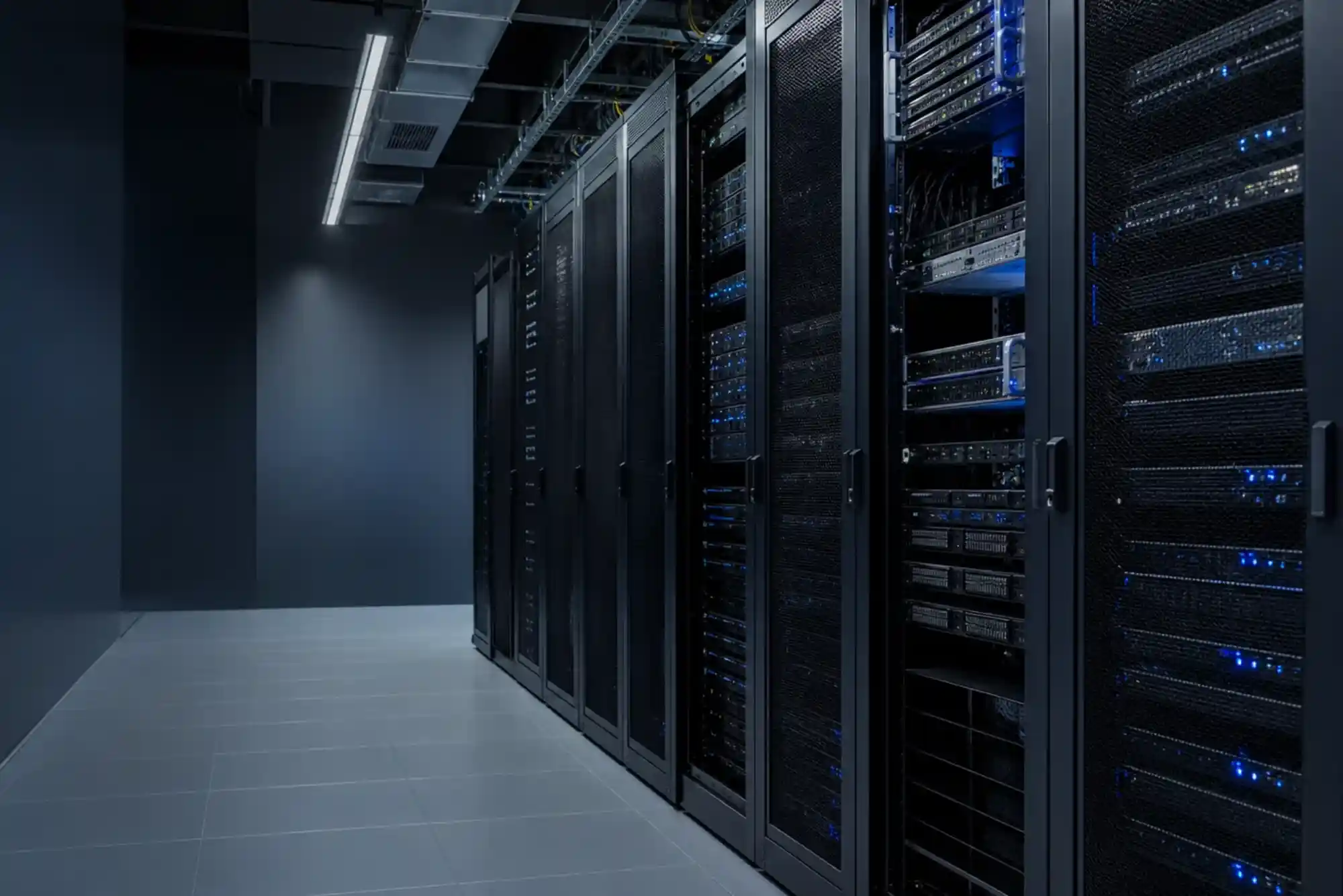
Green Data Centers
Data centers account for significant energy consumption. Innovations in cooling, energy sources, and server efficiency are minimizing environmental footprints.
Eco-Friendly Software Development
Developers are optimizing code and infrastructure to reduce carbon output tied to computing.
Impact: Lower operational costs, stronger sustainability credentials, and compliance with environmental standards.
Democratization of Tech: Low-Code and No-Code Platforms
Not every business has deep tech teams. Low-code and no-code platforms empower non-developers to build software solutions.
Faster Development Cycles
Teams can prototype, iterate, and deploy solutions without writing complex code.
Increased Innovation
Business users can solve workflow challenges independently, increasing organizational agility.
Impact: Faster delivery, reduced backlog, and wider participation in digital transformation.
How Businesses Can Prepare for These IT Trends
Understanding trends is just the first step. Successful businesses take action to integrate these technologies effectively:
Invest in Skills and Training
Upskilling teams in AI, cloud, cybersecurity, and data analytics ensures organizations adopt technologies confidently.
Build Flexible IT Roadmaps
Strategy should adapt as technology evolves. Regular reviews help businesses adjust priorities.
Partner with Experts
Tech partnerships or consultants provide deep expertise and help accelerate implementations.
Focus on Security by Design
Security shouldn’t be an afterthought—embed it in every project from the start.
The world of technology moves fast, and staying informed about IT trends businesses should watch gives organizations the edge they need. Whether it’s AI, cloud computing, cybersecurity, or emerging areas like quantum and XR, these trends offer opportunities to innovate, grow, and remain competitive.
FAQs
What are the biggest IT trends impacting businesses right now?
Some of the most impactful trends include artificial intelligence, cloud-native strategies, cybersecurity enhancements, edge computing, 5G connectivity, and immersive technologies like AR/VR.
How can small businesses adopt new IT trends?
Start by identifying pain points within your organization. Then pilot one or two technologies that address those needs—like cloud tools, security platforms, or automation solutions. Training and strategic partnerships can also help.
What is the role of AI in business growth?
AI helps businesses automate processes, gain predictive insights, personalize customer experiences, and make data-driven decisions that improve operational efficiency and innovation.
Why is cybersecurity a top trend for businesses?
Cyber threats are increasing in frequency and sophistication. Modern businesses must adopt advanced security strategies like Zero Trust to protect data, comply with regulations, and maintain customer trust.
How does 5G technology benefit businesses?
5G unlocks high-speed, low-latency connectivity that supports real-time applications, expands IoT networks, and improves mobile and distributed workforce experiences.
Related Reading: How to Build a Successful Career in IT
Related Reading: What should I do if I face workplace harassment or bullying?
Related Reading: Best Digital Security Habits Everyone Should Follow