Introduction
Maintaining a healthy lifestyle starts with the food we eat. The right food choices not only support physical health but also improve mental clarity, boost energy, and enhance overall well-being. With so many options available, it can feel overwhelming to know what to eat. This guide explores top food ideas for healthy living, highlighting nutrient-rich meals, snacks, and practical tips that are easy to incorporate into daily routines. Whether you want to lose weight, gain energy, or simply feel better, these food choices can make a real difference.
The Foundation of Healthy Eating
Eating healthily isn’t about strict diets or cutting out your favorite foods. It’s about balance, variety, and choosing nutrient-dense options that fuel your body efficiently.
Understand Nutrient-Dense Foods
Nutrient-dense foods are those that provide vitamins, minerals, and other essential nutrients with relatively low calories. Examples include leafy greens, colorful vegetables, fruits, whole grains, lean proteins, and healthy fats. Incorporating these foods into meals ensures your body gets the fuel it needs without excess sugar, sodium, or empty calories.
Prioritize Whole Foods Over Processed Foods
Processed foods often contain high levels of sugar, salt, and unhealthy fats. Whole foods, on the other hand, are minimally processed, retaining their natural nutrients. Choosing whole grains instead of refined ones, fresh fruits over sugary snacks, and homemade meals instead of fast food can dramatically improve your overall health.
Top Food Ideas for Healthy Living
The following food ideas are designed to support overall health, energy, and wellness.
Fruits and Vegetables
Fruits and vegetables are packed with antioxidants, vitamins, and minerals. They help prevent chronic diseases, improve digestion, and support weight management.
Leafy Greens
Spinach, kale, and swiss chard are excellent sources of vitamins A, C, K, and folate. They are also rich in fiber, which aids digestion and helps maintain healthy blood sugar levels.
Berries
Blueberries, strawberries, and raspberries are rich in antioxidants like anthocyanins, which protect cells from damage and reduce inflammation.
Cruciferous Vegetables
Broccoli, cauliflower, and Brussels sprouts contain compounds that support heart health and may reduce the risk of cancer.
Whole Grains
Whole grains are an essential part of a balanced diet because they provide energy, fiber, and essential nutrients.
Quinoa
Quinoa is a complete protein, meaning it contains all nine essential amino acids. It also provides fiber, magnesium, and iron.
Oats
Oats are excellent for heart health, as they contain beta-glucan, a type of soluble fiber that helps lower cholesterol.
Brown Rice
Brown rice offers a healthy source of carbohydrates and fiber, keeping you full longer and supporting digestion.
Lean Proteins
Protein is crucial for muscle repair, hormone production, and overall body function. Choosing lean protein sources reduces saturated fat intake.
Fish
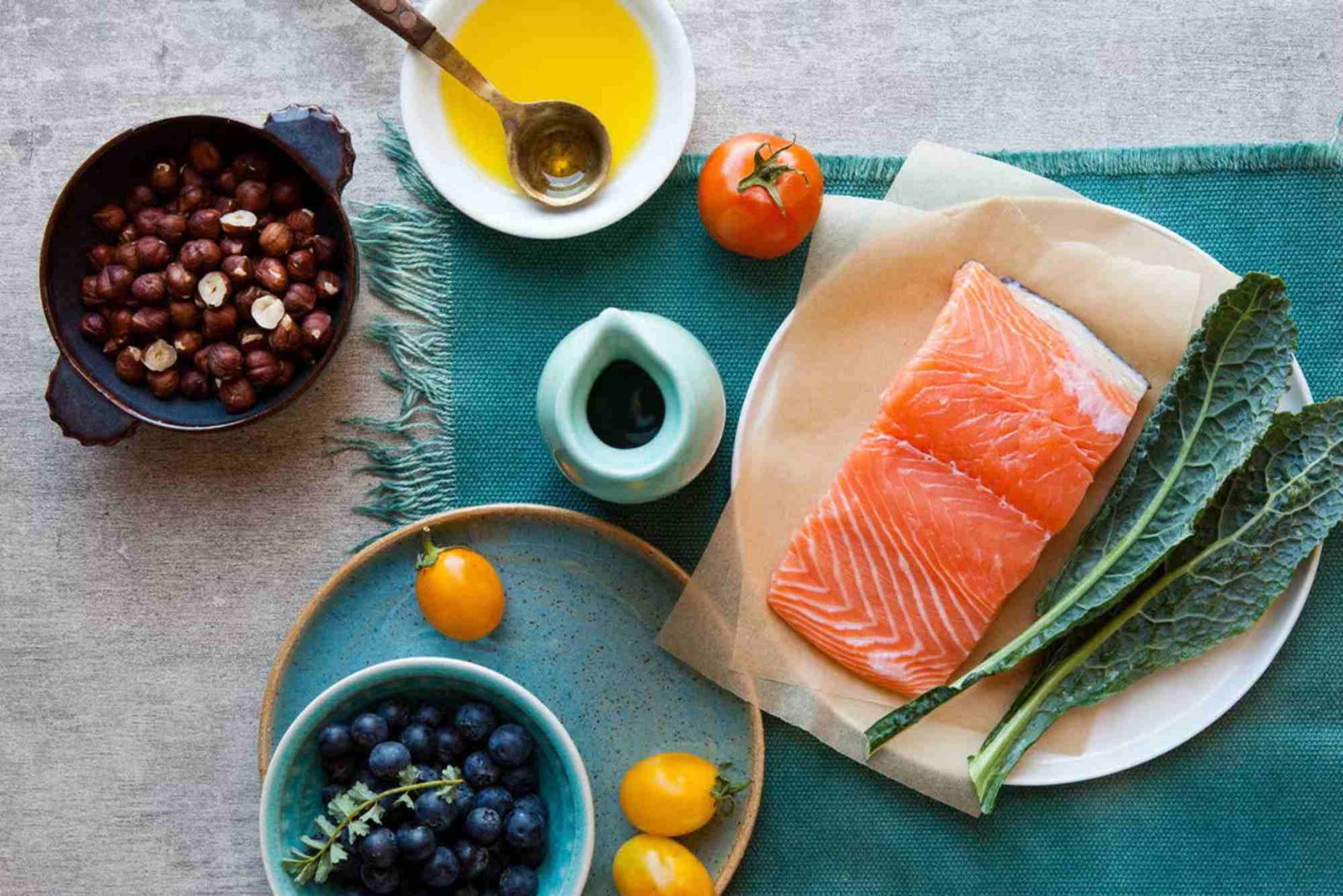
Salmon, mackerel, and sardines are rich in omega-3 fatty acids, which improve heart and brain health.
Chicken and Turkey
These lean meats are excellent protein sources without excess fat, making them ideal for weight management.
Plant-Based Proteins
Lentils, chickpeas, and tofu are excellent plant-based protein sources, rich in fiber and essential minerals.
Healthy Fats
Contrary to old beliefs, healthy fats are essential for brain function, hormone balance, and absorption of vitamins.
Avocado
Avocados provide monounsaturated fats that support heart health and reduce inflammation.
Nuts and Seeds
Almonds, walnuts, chia seeds, and flaxseeds are rich in omega-3 fatty acids, protein, and antioxidants.
Olive Oil
Extra virgin olive oil is a staple in healthy diets, supporting cardiovascular health and providing anti-inflammatory benefits.
Fermented Foods
Fermented foods improve gut health, immunity, and nutrient absorption.
Yogurt
Yogurt is rich in probiotics, which support digestion and a healthy microbiome.
Sauerkraut and Kimchi
These fermented vegetables provide beneficial bacteria and antioxidants, promoting a strong immune system.
Kefir
Kefir is a fermented milk drink that’s even more potent than yogurt in supporting gut health.
Hydration and Healthy Beverages
Water is vital for every bodily function, and certain beverages can enhance health further.
Herbal Teas
Green tea, chamomile, and ginger tea provide antioxidants and support digestion.
Infused Water
Adding lemon, cucumber, or berries to water encourages hydration while providing additional vitamins.
Practical Tips for Incorporating Healthy Foods
Eating well is easier when you have practical strategies to follow.
Meal Planning
Plan meals ahead to ensure you include a variety of nutrient-rich foods and avoid last-minute unhealthy choices.
Mindful Eating
Eat slowly, savor flavors, and listen to hunger cues. Mindful eating prevents overeating and improves digestion.
Portion Control
Even healthy foods can contribute to weight gain if eaten in excess. Use appropriate portion sizes to maintain a balanced diet.
Cooking at Home
Preparing meals at home allows control over ingredients, portion sizes, and cooking methods. Try steaming, baking, or sautéing instead of frying.
Adopting a healthy diet doesn’t have to be complicated. By incorporating nutrient-rich fruits, vegetables, whole grains, lean proteins, healthy fats, and fermented foods, you can boost energy, improve overall health, and prevent chronic diseases. Start small, make gradual changes, and enjoy the journey to healthier living.
FAQs
What are the best foods for overall health?
Leafy greens, berries, whole grains, lean proteins, nuts, seeds, and fermented foods are all excellent choices for overall health.
How can I eat healthy on a budget?
Buy seasonal fruits and vegetables, choose bulk grains and legumes, cook at home, and plan meals to minimize waste.
Are snacks important in a healthy diet?
Yes, healthy snacks like nuts, yogurt, or fruit can maintain energy levels, prevent overeating at meals, and support nutrient intake.
Can I get all nutrients from a plant-based diet?
Yes, with careful planning. Include legumes, whole grains, nuts, seeds, vegetables, and fortified foods to meet protein and micronutrient needs.
How much water should I drink daily?
Generally, aim for 8–10 glasses (about 2–2.5 liters) of water daily, but adjust based on activity level, climate, and individual needs.
Discover the Best Food Recipes for Traditional Comfort Meals that bring warmth to your table. From hearty stews to classic casseroles, these recipes blend rich flavors and simple ingredients, making every bite nostalgic and satisfying. Perfect for family dinners or cozy nights at home, they turn everyday meals into cherished moments.